McFadden Engineering Celebrates World Engineering Day and World Water Day
March 16, 2026
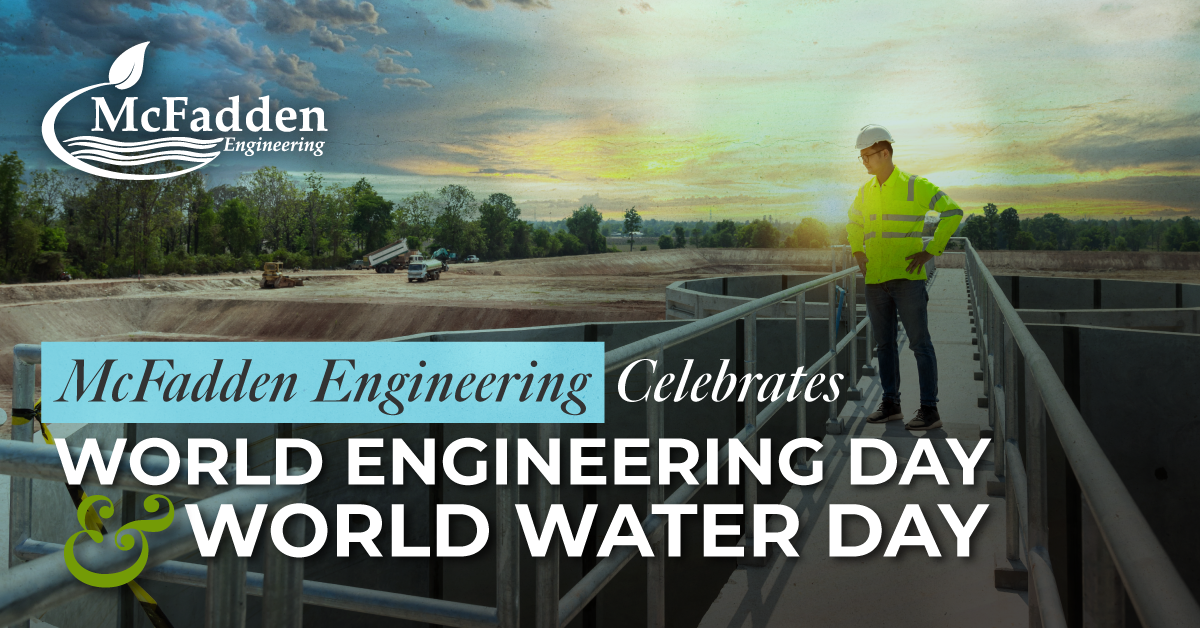
This March, two global observances that tie perfectly to our business fall close together. World Engineering Day lies on March 4 and World Water Day takes place on March 22. These two observances are a great opportunity to shine a light on the teams of engineers, including our own, who are working to make clean water possible.
Engineers Working in Water
Civil Engineers
Civil engineers specializing in water plan, design and maintain infrastructure to manage water systems, including treatment plants, distribution systems, pipelines and storage tanks. Some key areas of focus for a civil engineer working in water include water supply and treatment, wastewater management, flood control and hydraulic structures, and environmental and coastal management. Civil engineers complete a variety of tasks and no day is the same, but their work commonly involves modeling and design, field work and evaluation, ensuring projects adhere to environmental regulations and safety standards, and project management.
Environmental Engineers
Environmental engineers specialize in water management by addressing stormwater, watershed and source water protection, water quality and pollution control. They use engineering, chemistry and biology to treat contaminants, rehabilitate polluted sites and ensure compliance within environmental regulations. Environmental engineers design or improve systems that minimize marine industry impacts on marine life, ecosystems, water quality, pollution and onshore communities.
Geotechnical/Structural Engineers
Geotechnical and structural engineers specializing in water projects design foundation, dams, levees and costal structures (piers, seawalls) while managing complex hydraulic, seepage and soil stability issues. They crucially monitor and evaluate soil-water interaction to mitigate erosion, buoyancy and seismic risks. Field investigations, instrumentation and long-term monitoring are common parts of the job.
Mechanical and Electrical Engineers
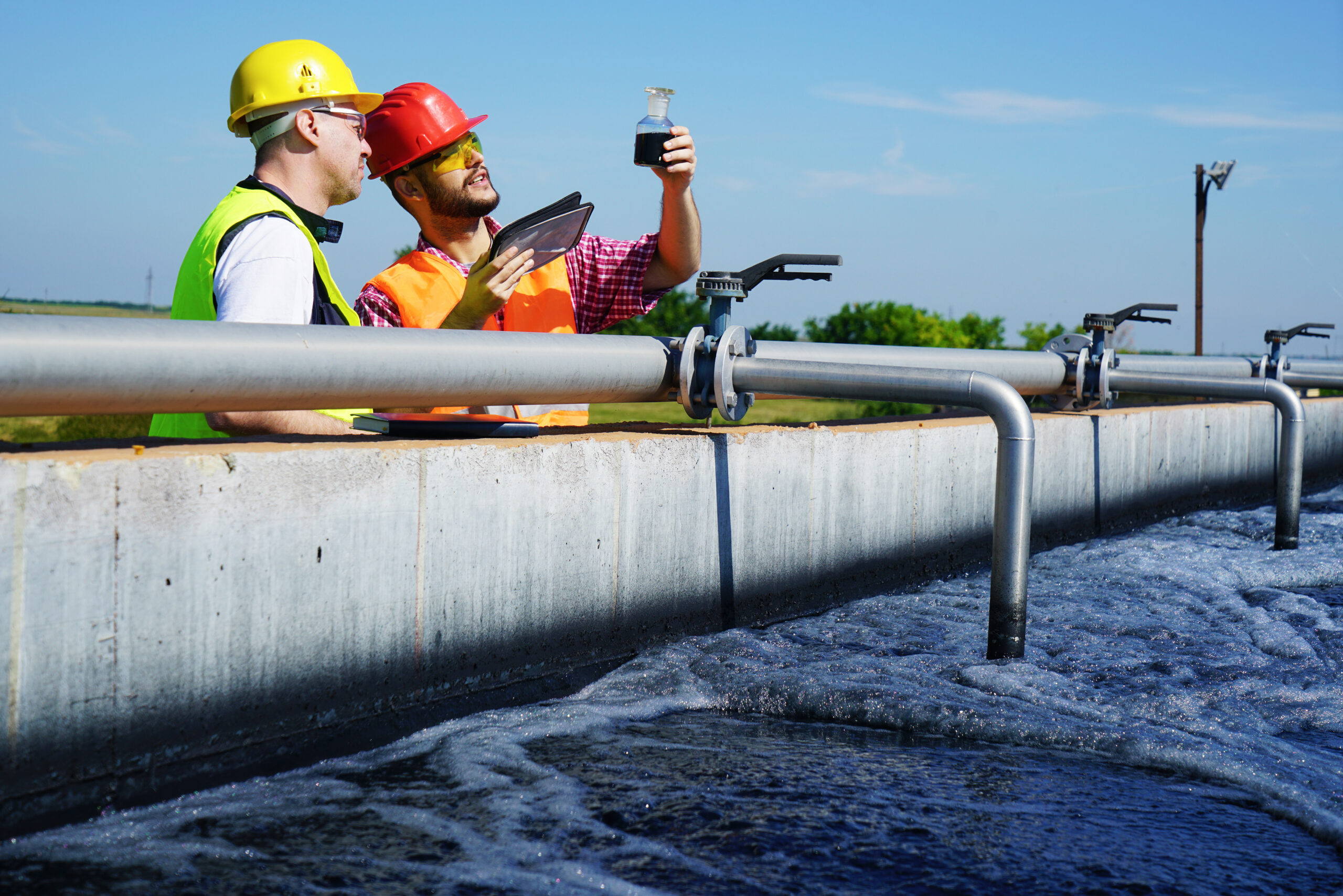
Mechanical and electric engineers in the water sector design, install and maintain critical infrastructure for water supply, treatment and distribution as well as hydropower systems. Mechanical engineers often design pumping systems, treatment plant equipment and hydraulic networks. Some mechanical engineers specialize in hydropower, focusing on turbine design, generators and converting kinetic energy to electricity. Mechanical engineers install and maintain pumps, mixers and filtration units in treatment plants. They also manage pipelines and flow in water/wastewater systems. Electrical engineers design electrical systems to drive pumps and treatment machinery. Electrical engineers also integrate SCADA (Supervisory Control and Data Acquisition) systems, sensors and controls for automatic water treatment. Electrical engineers also oversee the installation of electrical infrastructure and monitor it during operations.
Key Takeaway
Water Engineering takes multiple engineers working together to ensure safe water makes its way from the source to the tap, then back again, through wastewater treatment.
The Full Water Cycle
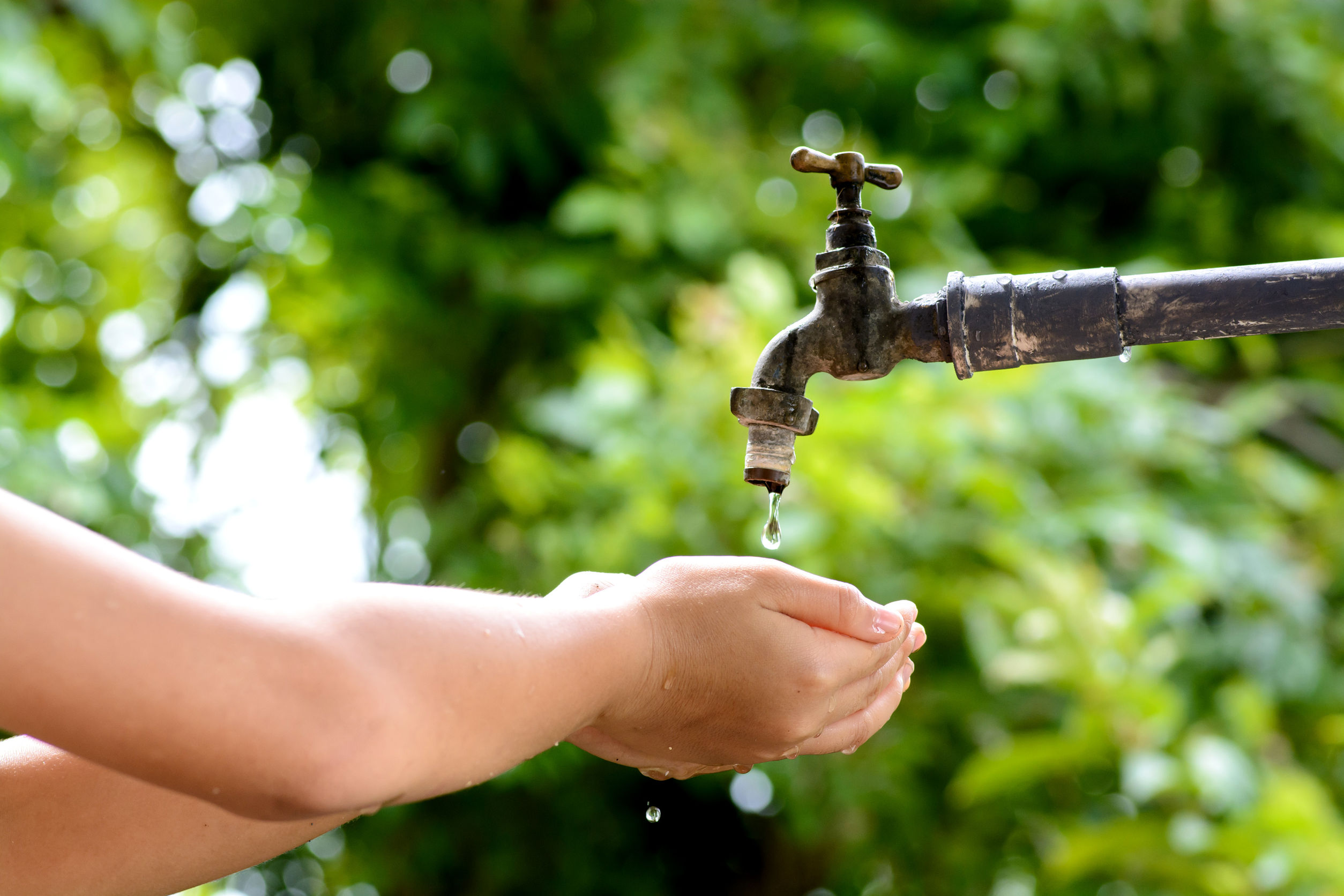
Behind every glass of drinking water is a complex journey, one that engineers design, build and maintain at every single step.
Source Water and Intake
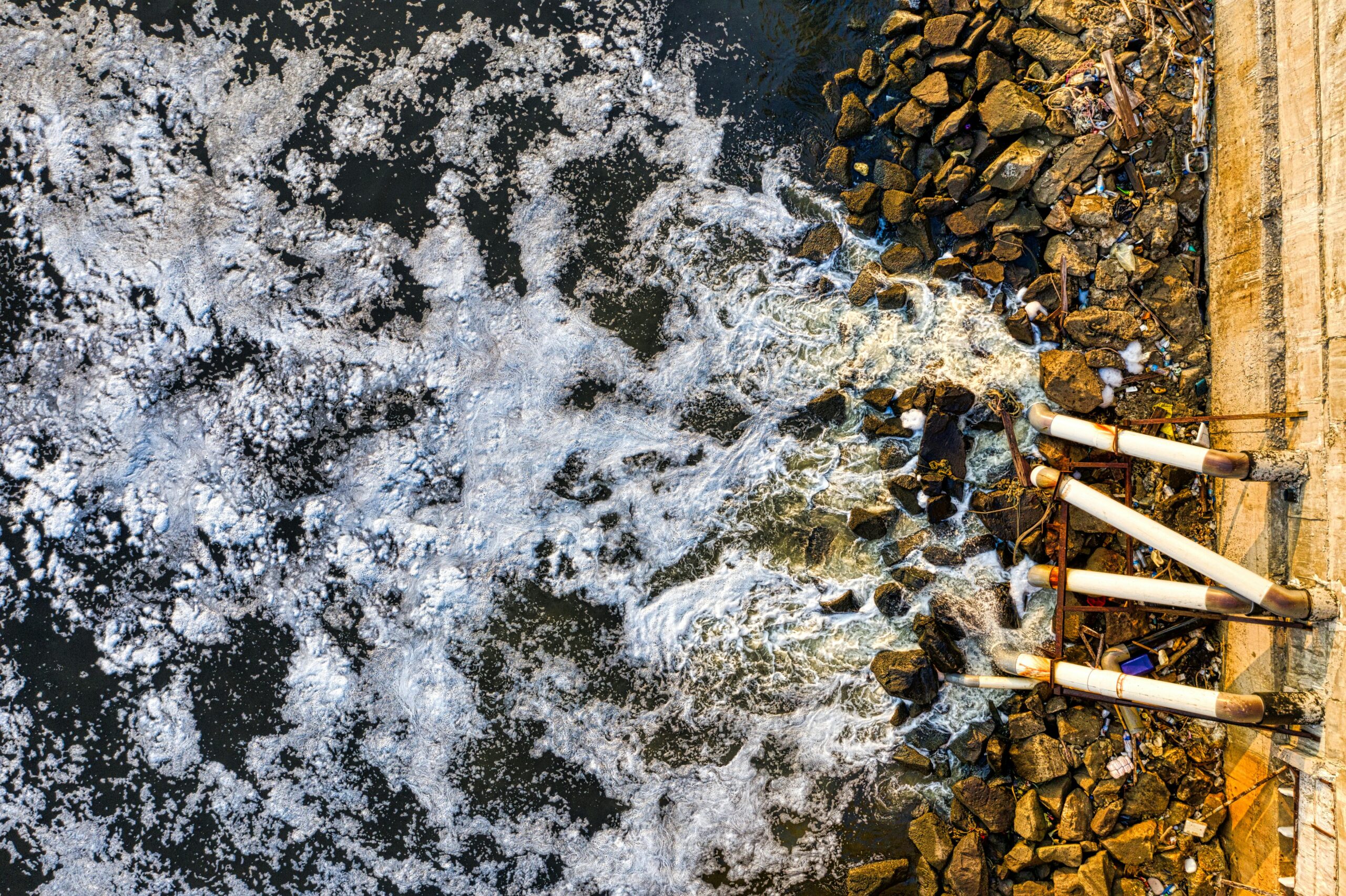
Engineers are already working to protect water before it even reaches the treatment plant. Reservoirs, rivers, lakes and other bodies of water all serve as sources of drinking water, and all sources require careful management. Civil and environmental engineers assess water quality at the source, design structures that minimize disruption to natural systems and develop protection plants that keep contamination from entering the water supply.
Treatment: Making Water Safe to Drink
Raw source water, no matter how clean it looks, is never safe to drink without treatment. Environmental and chemical engineers design water treatment systems that remove sediment, bacteria, viruses and other contaminants. These engineers work to meet both federal and state regulatory standards while balancing cost, energy efficiency and reliability. No matter the size of the community being served clean water, the goal is always the same: water that is safe, clean and consistently meets the standards people depend on.
Distribution: Getting Water Where It Needs to Go
Water treatment is only half of the process. Once the water is clean, it must travel through hundreds of miles of pipes, pumping stations and storage tanks to reach its destinations safely. Civil and mechanical engineers design these distribution systems to maintain pressure, prevent contamination after treatment and hold up under the demands of a growing population.
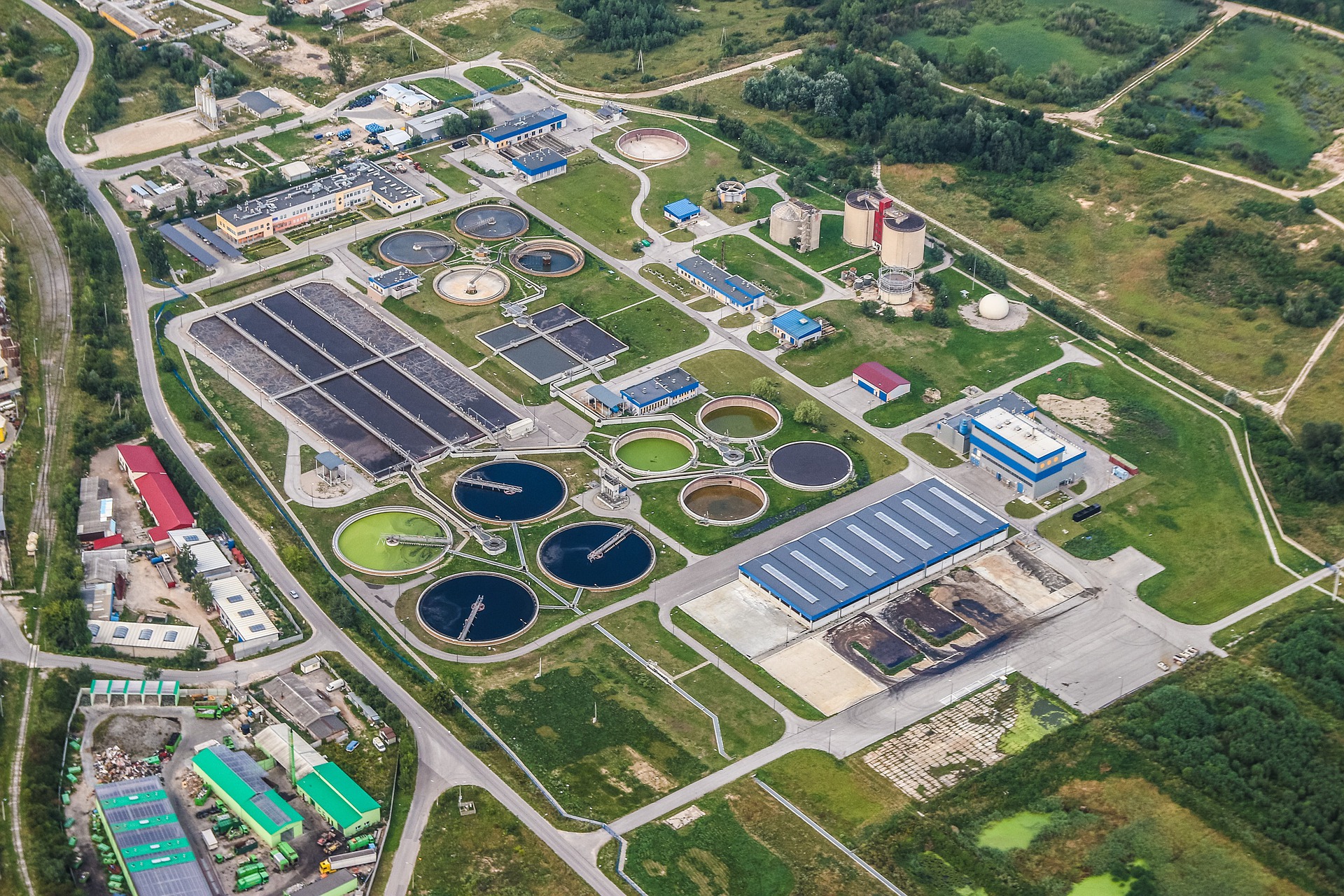
Wastewater Collection & Treatment
Water does not disappear after use. It flows down drains into a wastewater collection system, a network of sewer mains that environmental and civil engineers design for the water to then move safely to a treatment facility. At the wastewater treatment facility, the water then undergoes its own rigorous treatment process before being discharged and reused.
Stormwater Management
Rain and snowmelt add another layer of complexity to water/wastewater treatment. When water falls onto roads, pavement, parking lots and rooftops, it picks up pollutants (oil, bacteria, sediment, etc.) and carries those pollutants toward streams, rivers and groundwater supplies. Engineers design stormwater systems that slow this runoff, filter out contaminants and reduce flooding risks.
Why This Work is More Critical Than Ever
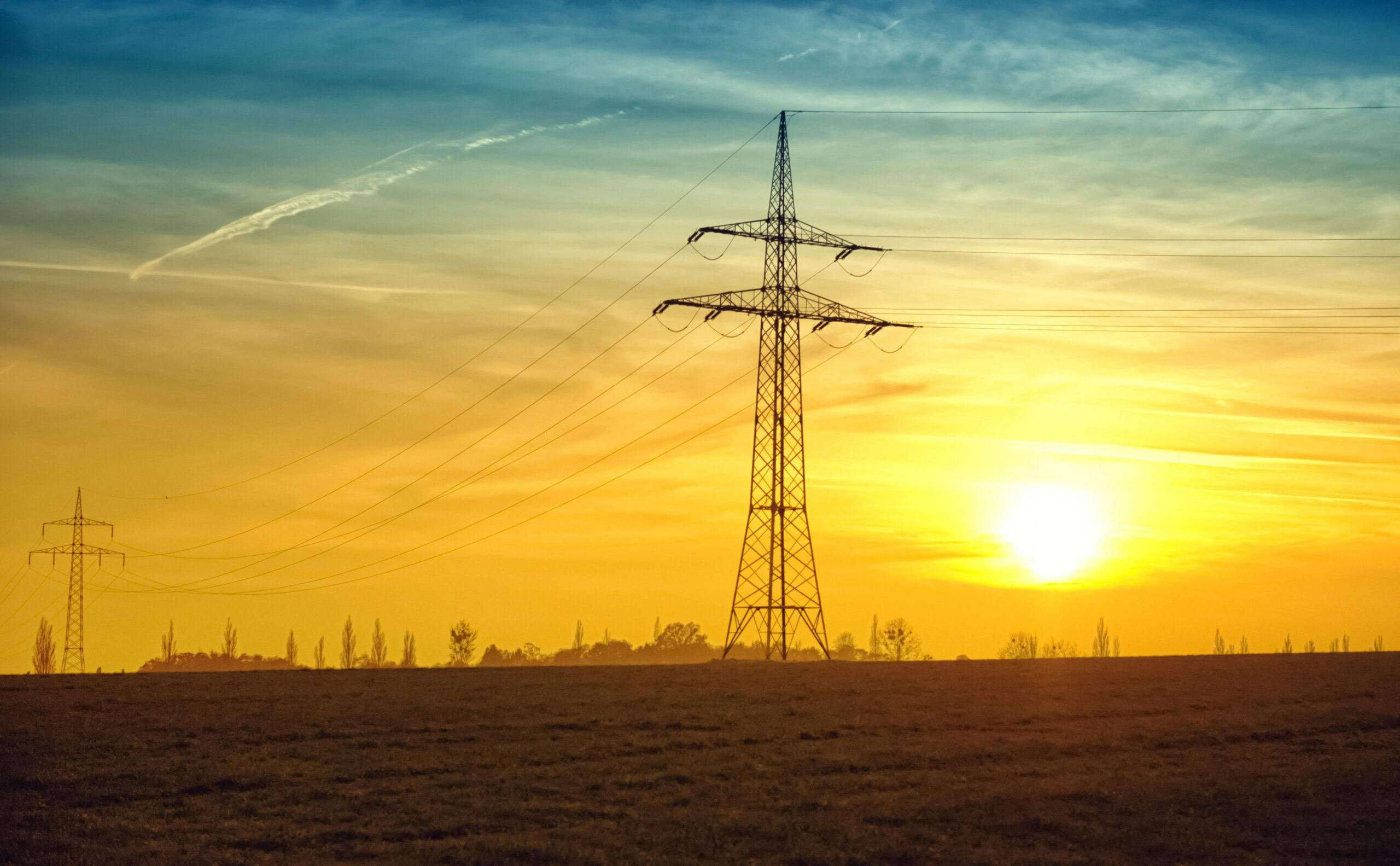
The engineering process behind clean water has always been essential. The pressure on water systems and the engineers who design and maintain them is greater than it has been in generations.
Aging Infrastructure
Much of the United States’ water infrastructure is very old. Water mains tend to have leaks and cracks. Treatment plants are often operating on outdated technology. Sewer systems that were designed for smaller populations now strain under the demands of growing populations.
A Changing Climate
Climate change is a threat for water systems. Droughts are reducing the availability and quality of water. Intense storms overwhelm aging stormwater systems. Flooding contaminates treatment facilities. Engineers are responding to climate change by designing more resilient infrastructure that is more adaptive and built to handle a wider range of conditions than ever before.
Growing Communities
Population growth and development put pressure on water systems that were not built to serve the demand of today’s population. New subdivisions, industrial facilities and expanding municipalities all need water and wastewater capacity that is yet to exist. Civil and environmental engineers are currently planning to design the expansions, upgrades and entirely new systems that make growth possible and sustainable.
Reaching Communities That Have Been Left Behind
Not every community has consistent access to clean water. Rural areas and small towns often operate inadequate systems. Engineers play a critical role in working with local governments to design practical, cost-effective solutions that bring safe water to everyone.
Engineering for A Smarter Future
This year, World Engineering Day has a theme of “Smart Engineering for Sustainable Future Through Innovation and Digitalization” which is very relevant within the water sector. Technology is transforming how engineers approach water challenges.
How McFadden Engineering Approaches Water and Wastewater
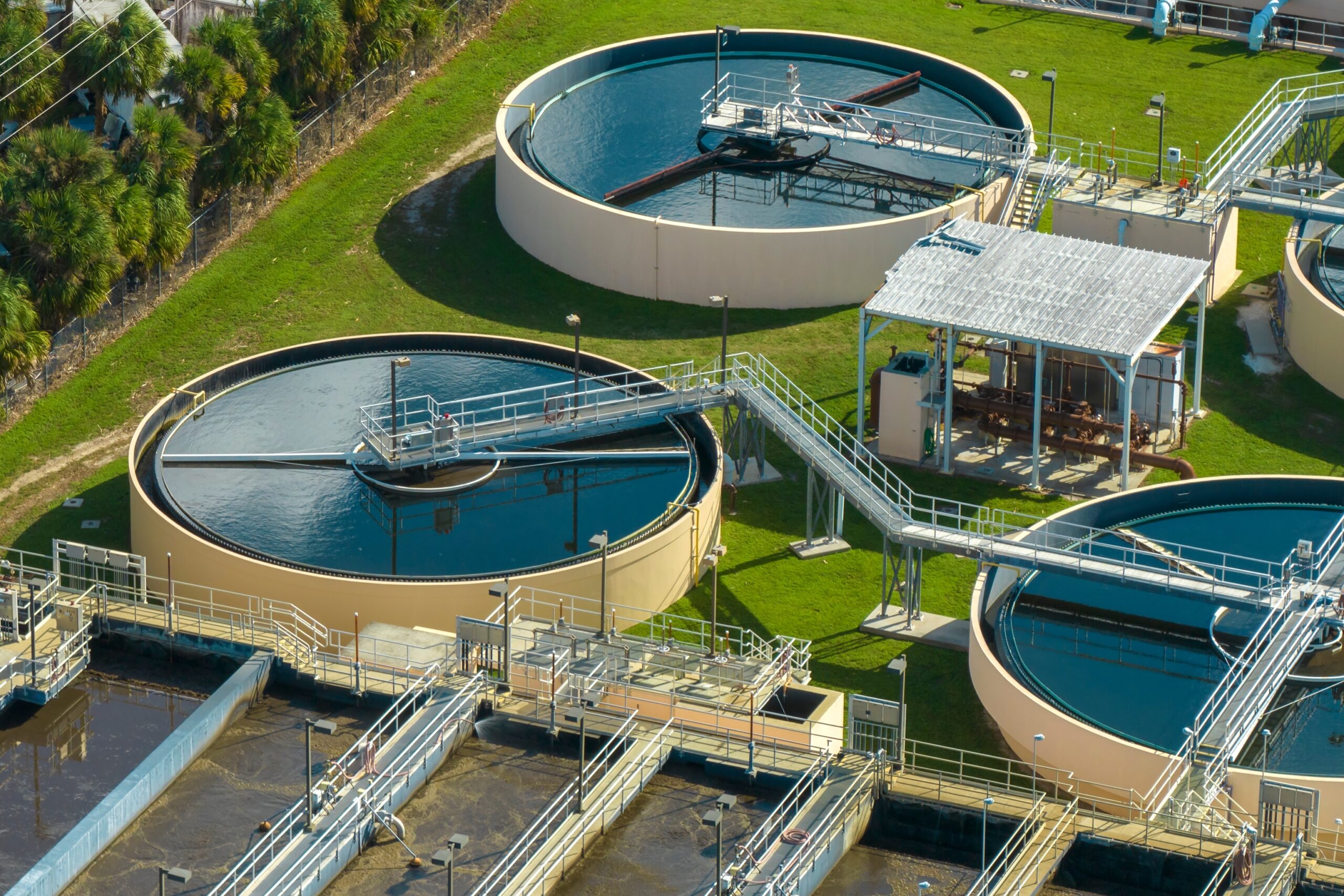
McFadden Engineering brings nearly a century of combined experience in civil and environmental engineering to the Southeastern United States. As active members of the Water Environment Federation, Partners for Environmental Progress and the Geological Society of America, we stay ahead of industry trends and are informed on research in our fields. With decades of experience in the water and wastewater sectors, McFadden Engineering is the expert when it comes to industrial wastewater treatment. We specialize in analyzing existing treatment processes and then optimizing and/or expanding those processes for the benefit of the client. Our goal for industrial wastewater treatment clients is to streamline treatment processes, achieve full compliance and ultimately reduce or eliminate surcharges and extra costs incurred from not meeting permit limits.
World Engineering Day and World Water Day fall just eighteen days apart. At McFadden Engineering, water and wastewater is a core part of who we are and what we do. We’re proud to be part of the engineering community working to solve one of the most fundamental challenges there is: making sure people have access to water that is clean, safe and reliable, today and for generations to come. This March, we’re celebrating both days with gratitude for the engineers who do this work, and with renewed commitment to doing it well.
Partner with McFadden Engineering to develop an industrial wastewater treatment solution that meets regulatory requirements, improves system performance and supports long-term operational goal.